
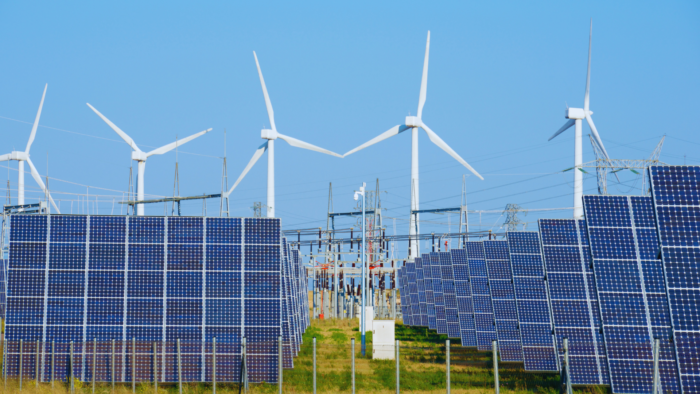
The push for renewable energy is more critical than ever as society grapples with the impacts of climate change. The future of renewable energy lies in its potential to significantly reduce dependence on fossil fuels and lead the way toward a sustainable, decarbonized world. Innovative technologies and investment in clean energy are driving transformation in the energy sector, making it possible to meet growing global energy demands while addressing environmental challenges.
As nations strive for net-zero emissions, renewable energy sources such as solar, wind, and hydropower are becoming increasingly viable alternatives. These resources not only provide cleaner energy solutions but also promote energy independence and resilience. The transition to a low-carbon economy is not just a necessity; it presents an opportunity for economic growth, job creation, and technological advancement.
The journey toward sustainable energy is underway, and its success hinges on collaboration between governments, industries, and communities. With a shared commitment to decarbonization, the growth of renewable energy can be accelerated, leading to a more stable climate and a healthier planet for future generations.
The Evolution of Renewable Energy Sources
The development of renewable energy sources has undergone significant transformation over the years. From ancient implementations to modern technologies, this evolution reflects a shift toward sustainable energy solutions. Key areas of focus include historical milestones, the current landscape of renewable technologies, and future pathways.
Historical Context and Milestones
The origins of renewable energy can be traced back to ancient civilizations, using water and wind for energy. The 20th century marked critical advancements, particularly in solar and wind technologies. The establishment of the U.S. Department of Energy in 1977 catalyzed research in renewable sources, leading to breakthroughs in solar photovoltaics and wind turbines.
Significant milestones include the introduction of the first modern wind turbine in the 1930s and the commercialization of solar panels in the 1970s. The Renewable Electricity Futures Study, published in 2012, projected that renewable sources could supply up to 80% of U.S. electricity by 2050.
Current Landscape of Renewable Technologies
Today, solar power and wind energy dominate the renewable landscape. Solar energy systems and wind farms have seen exponential growth, contributing to reduced reliance on fossil fuels. As of 2023, solar power capacity surpassed 200 gigawatts in the U.S., while wind energy exceeded 130 gigawatts.
Advancements in battery storage technology are critical, allowing for better energy management. Hybrid systems combining wind and solar are increasingly common, optimizing energy production. As costs decline, renewables are becoming more accessible, making it feasible for both homes and businesses to invest in energy independence.
Future Pathways and Projections
Looking ahead, the future of renewable energy holds promise. Projections show a continued rise in renewable sources, driven by technological innovation and policy support. The U.S. Department of Energy aims for a rapid transition to 100% clean energy by 2035, focusing on enhancing grid resilience and energy accessibility.
Emerging technologies like green hydrogen and advanced geothermal systems are expected to play crucial roles. The integration of artificial intelligence in energy management will optimize consumption patterns, further boosting efficiency. With ongoing investment, renewable energy will shape a sustainable energy landscape.
Policy and Economic Drivers
Policies and economic factors significantly influence the advancement of renewable energy. This section explores international agreements, government interventions, and economic trends shaping energy investments.
Global Agreements and Frameworks
International frameworks, such as the Paris Agreement, play a vital role in guiding countries toward carbon reduction goals. These commitments promote a shift from fossil fuels to clean energy technologies. Nations are adopting policies that align with global efforts, leading to increased investments in renewable sources.
Key aspects include:
- Emission reduction targets: Countries set specific goals for reducing greenhouse gas emissions.
- Collaborative initiatives: Partnerships facilitate technology sharing and financial support.
- Climate finance: Funding is redirected to projects focused on sustainability and renewables.
These frameworks drive national policies that bolster renewable energy adoption.
Government Incentives and Regulations
Governments utilize incentives and regulations to encourage the adoption of renewable energy technologies. Tax credits, grants, and subsidies create a more favorable economic environment for investors and developers. The Inflation Reduction Act exemplifies such measures, offering financial support for clean energy projects while promoting domestic manufacturing.
Governments utilize incentives and regulations to encourage the adoption of renewable energy technologies. Tax credits, grants, and subsidies create a more favorable economic environment for investors and developers. The Inflation Reduction Act exemplifies such measures, offering financial support for clean energy projects while promoting domestic manufacturing. However, it’s vital for homeowners and businesses to be aware of the specific timelines associated with these financial benefits, as not all incentives are permanent.
For instance, while the Investment Tax Credit (ITC) has been extended, its full value is subject to a defined schedule, making prompt action beneficial for maximizing savings. Understanding these deadlines is crucial, as Solar Tax Incentives Are Ending Early for certain aspects, impacting the overall cost-effectiveness of installations. Therefore, staying informed about the latest policy updates can significantly influence the financial viability of transitioning to solar power.
Regulatory frameworks also shape market dynamics:
- Renewable Portfolio Standards (RPS): Mandates require utilities to source a percentage of their energy from renewables.
- Carbon pricing: This approach internalizes the costs of carbon emissions, making renewables more competitive.
- Streamlined permitting processes: Simplified regulations facilitate quicker project approvals.
These initiatives are crucial for enabling large-scale energy transitions.
One practical way for homeowners and businesses can capitalize on these initiatives is by installing a solar carport—a covered parking structure with rooftop photovoltaic panels that both protects vehicles and generates on-site electricity.
Solar carports frequently qualify for the federal Investment Tax Credit (currently covering roughly 30% of eligible costs) and can be combined with local rebates or expedited permitting to improve project economics.
Proper design considers structural load, panel tilt, and vehicle clearance to maximize generation while retaining functionality, so working with experienced installers is important. For a step-by-step look at design, incentives, and the installation process, learn more here.
Economic Impact and Investment Trends
The shift towards renewable energy positively affects economic growth and investment opportunities. Oil and gas companies are increasingly diversifying portfolios to incorporate clean energy technologies. Investment in renewables is not only becoming a priority but is also considered a strategic move for long-term sustainability.
Recent trends indicate:
- Increased private investment: More capital is flowing into renewable sectors, attracted by government policies and market potential.
- Job creation: The transition generates new employment opportunities in the energy sector.
- Market resilience: Investments in renewables contribute to energy independence and reduce vulnerability to price fluctuations in fossil fuels.
These factors highlight the interconnectedness of economic health and renewable energy advancement.
Environmental Impacts and Sustainability
Renewable energy plays a crucial role in addressing climate change and enhancing sustainability. It significantly reduces carbon emissions, promotes energy efficiency, and supports electrification, which in turn contributes to a healthier environment.
Reducing Carbon Emissions
The transition to renewable energy sources, such as solar, wind, and hydroelectric power, directly results in lower carbon emissions. For instance, wind and solar energy produce no direct emissions during operation. According to the International Renewable Energy Agency (IRENA), shifting to renewables could reduce global CO2 emissions by up to 70% by 2050.
Moreover, clean technologies are essential in decarbonizing energy-intensive sectors like manufacturing and transportation. By replacing fossil fuels with renewables, industries can significantly cut their carbon footprint, promoting a cleaner atmosphere and contributing to global climate goals.
Adapting to Climate Change
Renewable energy sources are inherently more resilient to climate change impacts compared to fossil fuels. For example, solar panels and wind turbines can be strategically deployed to adapt to changing environmental conditions.
Additionally, renewables help mitigate risks associated with climate fluctuations. Their localized production reduces dependence on long supply chains, which can be disrupted by extreme weather events. This adaptability is vital for regions vulnerable to climate change, promoting sustainability across communities.
Promoting Energy Efficiency, Adopting Transitional Fuel Solutions and Electrification
Energy efficiency and electrification are vital in maximizing the benefits of renewable energy. Electrifying sectors such as transportation and heating creates a demand for clean energy. Electric vehicles (EVs), powered by renewable sources, can lower emissions from one of the largest polluting sectors.
Alongside full electrification, cleaner transitional fuels also play a meaningful role. Propane, for example, burns more cleanly than gasoline or diesel and produces significantly fewer greenhouse gas emissions. It offers an efficient, lower-carbon option for heating, backup power, and certain industrial applications, especially in regions where renewable infrastructure is still developing. Providers like Propane Solutions Inc. help supply this cleaner fuel to homes and businesses seeking reliable yet environmentally responsible energy alternatives.
Implementing energy-efficient practices in buildings enhances sustainability. Strategies like better insulation and efficient appliances not only reduce energy consumption but also improve comfort. Integrating these practices supports a comprehensive approach to energy management, ultimately leading to reduced reliance on fossil fuels.
Technological Advancements and Infrastructure
Recent developments in technologies and infrastructure are crucial for the evolution of renewable energy. Areas such as energy storage, hydrogen production, and the modernization of power grids are essential for the efficient utilization of renewable resources.
Energy Storage and Battery Technologies
Energy storage plays a pivotal role in balancing supply and demand. Advances in lithium-ion batteries have increased storage capacity and efficiency, making them a preferred choice for both residential and commercial applications.
New technologies, such as solid-state batteries, offer the potential for higher energy densities and improved safety. Emerging alternatives like flow batteries allow for scalable energy storage, suitable for large-scale applications. As electric vehicle adoption rises, innovations in battery recycling are becoming imperative. Efficient recycling processes can reclaim valuable materials and reduce environmental impacts.
Advancements in Hydrogen Production
Green hydrogen is gaining attention as a clean energy carrier. Recent innovations in electrolysis are enhancing the efficiency of hydrogen production from renewable sources like wind and solar. Proton Exchange Membrane (PEM) electrolysis has achieved significant breakthroughs, lowering costs and improving scalability. This technology facilitates hydrogen generation, particularly for industries aiming to decarbonize.
Hydrogen fuel cells are also advancing, providing efficient energy solutions for various applications, including transportation and stationary power. These developments support the broader adoption of hydrogen as a viable alternative to fossil fuels.
Modernizing the Energy Grid
The modernization of the energy grid is fundamental to accommodate fluctuating renewable energy sources. Smart grid technologies enable real-time communication between providers and consumers, optimizing energy distribution.
Distributed energy resources (DERs), such as solar panels and wind turbines, integrate seamlessly into the grid, allowing for a decentralized energy model. This flexibility enhances energy security and reliability. In areas where grid modernization is still progressing, solutions such as backup systems supported by residential propane delivery can provide dependable supplemental energy, ensuring homes remain powered during outages or peak demand periods while broader renewable infrastructure continues to expand.
Investment in infrastructure, including enhanced transmission lines and grid management software, ensures that renewable energy can be harnessed effectively. These upgrades are vital for enhancing grid resilience against disruptions and facilitating the transition to a low-carbon energy system.